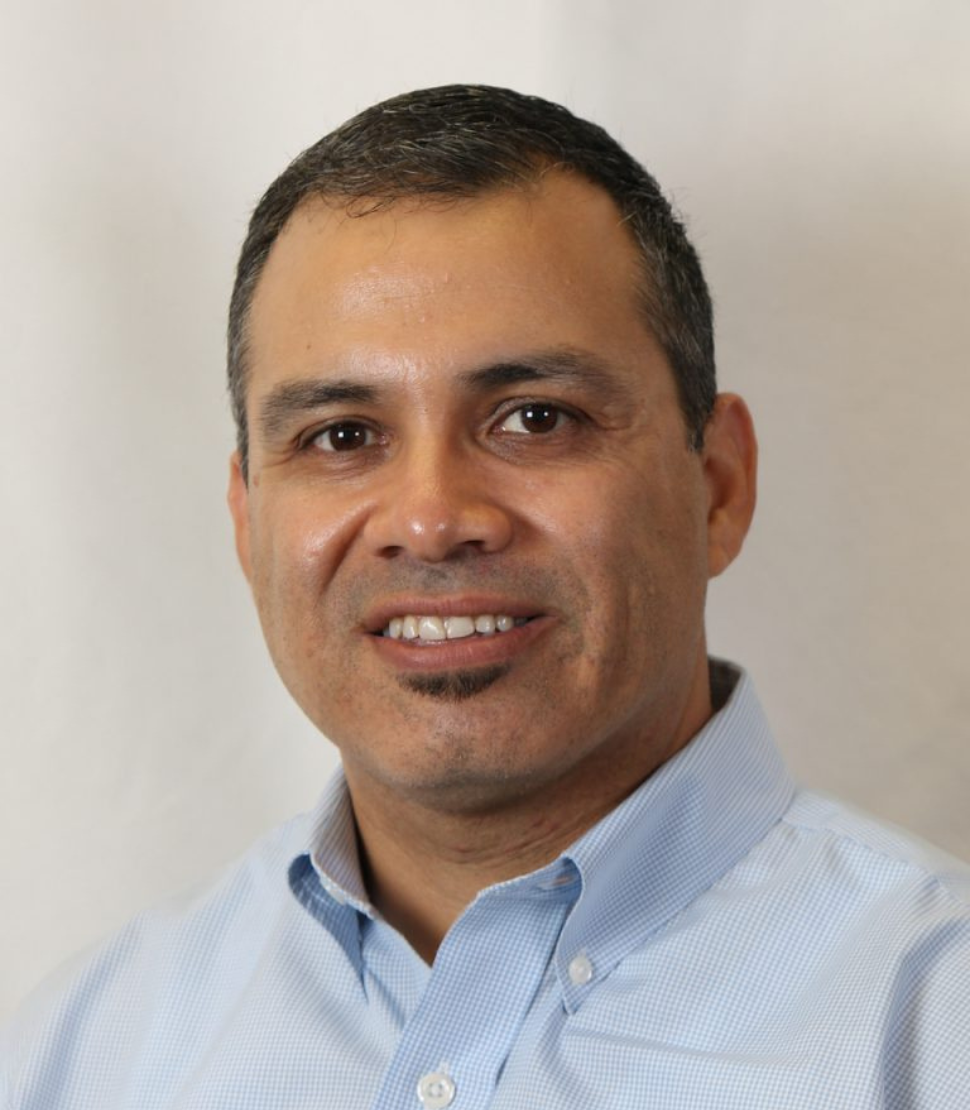
 The School for Workers is proud to announce that Professor Armando Ibarra has been appointed by Governor Tony Evers as a Migrant Representative on the Governor’s Council on Migrant Labor. The appointment became effective on November 26, 2025 and extends through July 1, 2026.
In his official appointment letter, Governor Evers noted that Professor Ibarra’s “experience, knowledge, and dedication will be a true asset to [Governor Evers’] administration and a great benefit to the people of Wisconsin.”
Role and Importance of the Council
As noted on the Wisconsin Department of Workforce Development (DWD) website, the Governor’s Council on Migrant Labor advises the state on issues affecting migrant seasonal farm workers. The Council’s responsibilities include:
- Advising the DWD and other state officials on matters impacting migrant workers;
- Ascertaining working conditions of migrants;
- Ensuring coordination of state and federal laws and regulations;
- Reviewing rules submitted to DWD.
The Council is made up of representatives of employers who hire migrant workers, migrant-worker advocates, and legislators.
Professor Armando Ibarra
Professor Ibarra is a Vilas Distinguished Achievement Professor in the School for Workers, with a joint appointment in the Chican@ & Latin@ Studies program at University of Wisconsin–Madison. Since joining UW in 2011, he has built a robust record of teaching, research, scholarship, and community engagement. His areas of specialization include political economy; working communities of Latin American descent in the U.S.; social movements; community development; international labor migration; community-based participatory research.
What This Appointment Means
Professor Ibarra’s appointment underscores the School for Workers’ deep commitment to advocating for all worker communities across Wisconsin. His seat on the Council ensures that the perspectives of worker education, labor rights, and community advocacy — shaped by academic insight and grounded in practical experience — will be represented in statewide deliberations.
Professor Ibarra will bring to the Council insights gained through his teaching, research, and community engagement, helping to shape policies that promote dignity, safety, and opportunity for migrant seasonal farm workers.